Innovation
Cost-Effective Sweetening Solutions
Cost-effective sweetening helps beverage brands reduce sugar and costs while maintaining taste by balancing sugar, modern sweeteners, and flavour balancers.

Steven Kabuito
October 4, 2025
3
min read
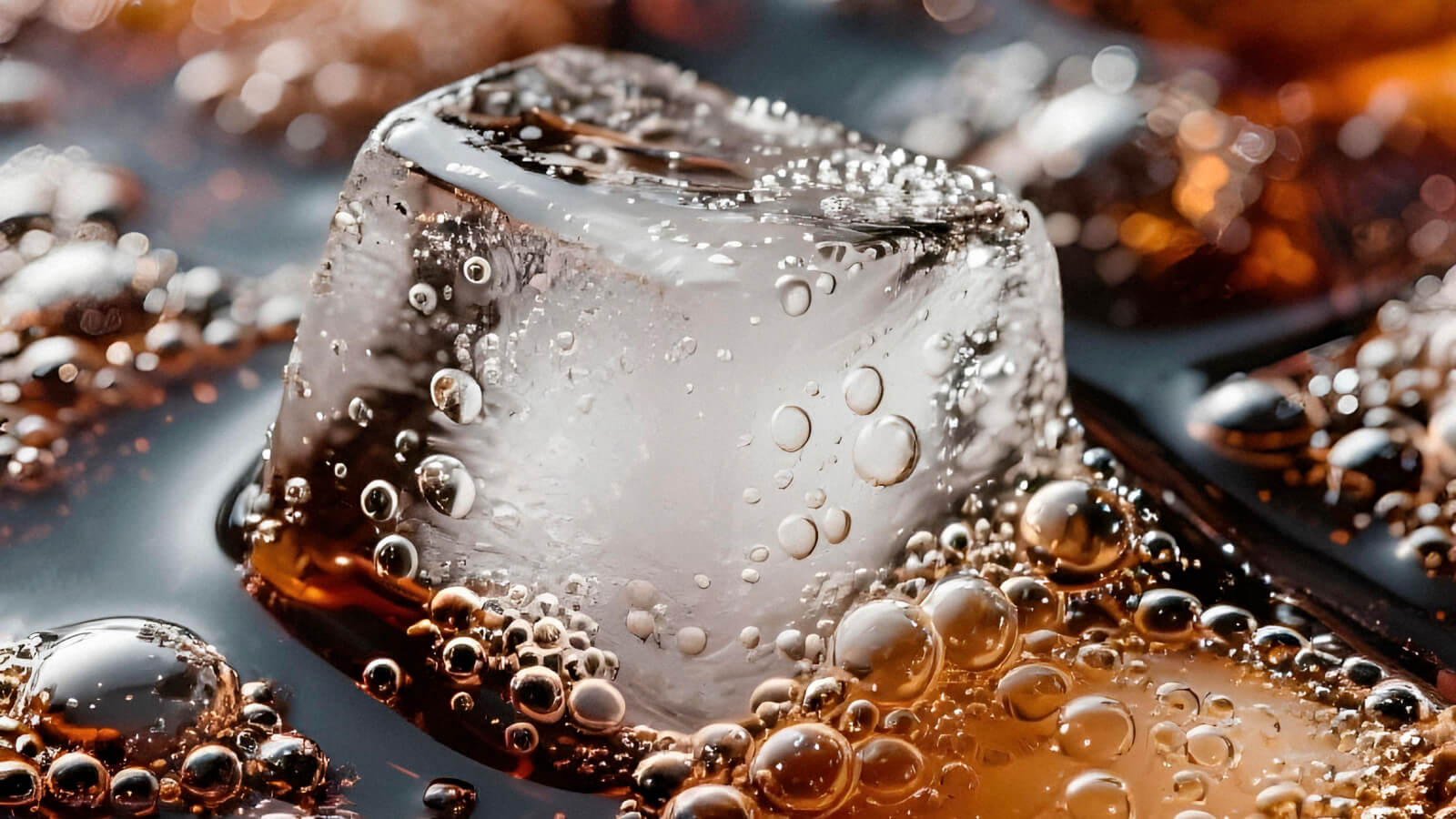
You don’t have to choose between great taste and lower costs. By treating sweetness like a recipe—not a single ingredient—brands can reduce sugar, steady margins, and keep consumers happy.
Why “Just Cut the Sugar” Doesn’t Work
When budgets tighten or sugar taxes rise, the obvious move is to reduce sugar. But sugar doesn’t only sweeten; it adds body, balance, and a clean finish. If you cut it without a plan, drinks can taste thin, sharp, or leave a strange aftertaste. Consumers notice—and repeat purchase drops.
At Finwerd, we help African beverage makers keep the taste people love while lowering cost per litre. Think of it as: same experience, smarter formula.
Sweetness Is a Recipe, Not a Single Ingredient
A cost-effective, great-tasting drink usually blends three elements:
- A Base Sweetness
This can still include some sugar. We right-size it instead of going “all or nothing.” - Smart, Modern Sweeteners
Used in the right amounts and combinations, they support sweetness without bringing unwanted notes. - Tiny Balancers
These are subtle “fixers” that smooth sharp edges and keep the mouthfeel from feeling watery.
The result: a drink that tastes familiar and full—only cheaper to make.
What “Cost-Effective” Really Means
- Lower Cost per Litre
It’s not about the cheapest kilo of ingredient; it’s about what each finished litre costs you. - Taste Stays Familiar
Your loyal customers shouldn’t notice a downgrade. Ideally, they’ll say it tastes the same or better. - Less Factory Stress
Clear mixing steps, fewer headaches, stable results. - Faster, Local Supply
Finwerd pairs Amsterdam R&D with Lagos manufacturing, so you get speed, reliability, and locally tuned taste.
Where This Shines (With Simple Examples)
- Malt Drinks
Keep that warm, rounded sweetness without turning heavy or cloying. - Colas & Dark Sodas
Protect the signature “bite,” soften harshness, and reduce sugar quietly. - Juice Drinks
Maintain bright fruit character and body even at lower sugar levels. - Energy & Functional
Balance strong actives (like caffeine/taurine) so function and flavour work together.
Myths (And the Truth)
Myth 1: “Reduce sugar and it’ll taste ‘diet’.”
Truth: When the start, middle, and finish of sweetness are balanced, most people simply taste “sweet.”
Myth 2: “Non-sugar sweeteners always taste artificial.”
Truth: Alone, sometimes. In thoughtful pairs with tiny balancers, they’re surprisingly natural.
Myth 3: “This will complicate our factory.”
Truth: Done right, it’s simple: short, clear steps and lean inputs.
A Simple Pilot (How We Work With You)
- Share your target
Examples: “Reduce sugar by 20–30% without changing our current taste” or “Match Brand X’s sweetness feel.” - Get 2–3 options
We prepare a few easy-to-test versions that hit your taste and budget goals. - Run on your line
Try them under real conditions. We keep it practical. - Pick the winner
Choose the version that wins on taste and cost per litre. That’s it.
What Success Looks Like
- Consumers: “Still tastes like my drink.”
- Finance: Lower cost per case; better margin breathing room.
- Production: Simple SOPs; fewer rewinds.
- Brand: Resilience against sugar price spikes and taxes.
Quick FAQ
Will consumers notice a difference?
They shouldn’t—if the sweetness curve is balanced. We design for familiarity first.
Can we do this in existing equipment?
Yes. We prioritise simple steps that fit your current line.
Is this about cutting corners?
No. It’s about designing smarter so you spend less for the same (or better) experience.
Wrap-Up
Cost-effective sweetening is not a compromise; it’s a smarter way to build beverages consumers love—at a cost your business can sustain. With Finwerd, you get a local-ready, globally disciplined approach that keeps quality high and costs in check.
Want to try it on one product?
Bring your priority drink; malt, cola, juice, or energy, and let’s prove it with a quick pilot.